
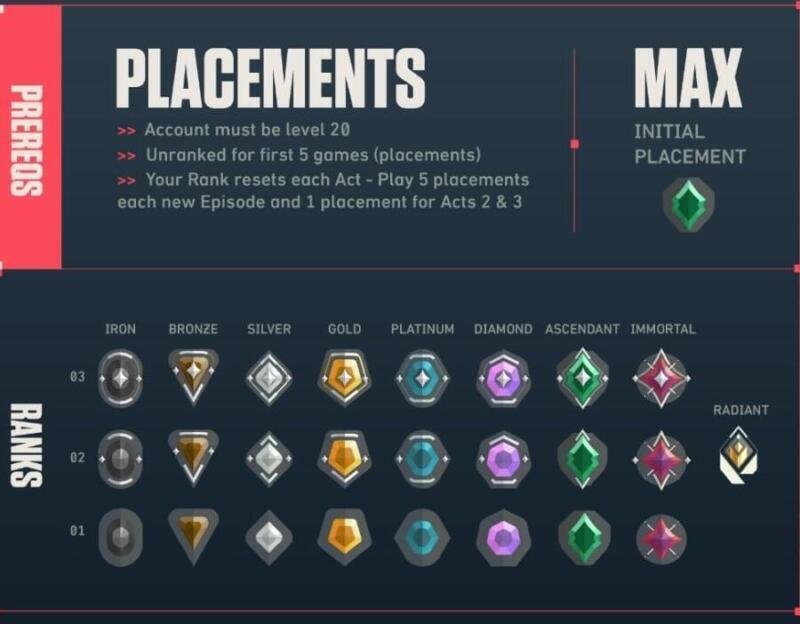
Understanding competitive play in Valorant requires a clear grasp of its ranking mechanics. At the core of the game’s progression system lies a sophisticated algorithm designed to match players of similar skill levels. From Iron to Radiant, each tier reflects a player’s performance and consistency over time. Factors such as individual gameplay, win/loss record, and the relative skill of opponents all influence rank adjustments. This article dives into How Valorant’s Ranking System Really Works, unpacking the hidden mechanics behind placement matches, ranked decay, and how players can effectively climb the competitive ladder through strategic improvement and teamwork.
Understanding the Core Mechanics of How Valorant’s Ranking System Really Works
The ranking system in Valorant is designed to measure player skill and match individuals with opponents of similar ability levels. At its core, How Valorant’s Ranking System Really Works revolves around a hidden MMR (Matchmaking Rating) that adjusts based on performance, game outcomes, and consistency over time. Unlike simpler ranking structures, Valorant uses a combination of visible rank tiers and invisible performance metrics to create a balanced competitive environment. Players begin their journey in the Unrated mode before entering Competitive, where the system evaluates performance across multiple games to assign an initial rank. As players progress, wins, losses, and individual contributions influence their placement within one of eight main tiers—from Iron to Radiant. The system also includes Act and Episode rankings, which reset periodically and allow for seasonal progression. Understanding the nuances behind each component is essential for players aiming to improve and climb the ladder efficiently.
Rank Tiers and Progression in Competitive Play
Valorant’s competitive ladder consists of eight primary rank tiers: Iron, Bronze, Silver, Gold, Platinum, Diamond, Immortal, and Radiant. Each tier (except Radiant) is further divided into three sub-ranks (I, II, III), allowing for granular progression. When a player first enters competitive mode, they must complete ten calibration matches to determine their starting rank. After calibration, each subsequent win or loss affects rank placement based on the hidden MMR. The progression between sub-tiers usually requires a certain number of Rank Rating (RR) points—gained from victories and performance-based bonuses. Losing games results in RR deductions, though the system protects lower-ranked players from severe drops. This structure ensures that How Valorant’s Ranking System Really Works is both challenging and rewarding, encouraging consistent improvement.
Hidden MMR and Matchmaking Efficiency
While visible ranks provide a general indication of skill, the backbone of the ranking system is the hidden Matchmaking Rating (MMR). This numeric value is continuously updated based on performance, even if the visible rank remains unchanged. MMR influences how quickly players gain or lose Rank Rating after each match. For example, defeating opponents with higher average MMR typically results in larger RR gains, reflecting exceptional performance. Conversely, losing to lower-rated teams may lead to steeper penalties. The system aims to balance teams efficiently by aligning players with closely matched MMRs, reducing lopsided matches. Thus, understanding that How Valorant’s Ranking System Really Works relies significantly on invisible metrics helps players interpret fluctuations in RR gains and matchmaking quality more accurately.
The Role of Performance Metrics Beyond Wins and Losses
Valorant does not solely rely on win-loss records to determine rank adjustments. In-game performance metrics such as combat score, kill participation, objective contribution, and consistency across rounds are factored into post-match evaluations. Players who perform above average for their rank—even in a losing effort—can retain more RR or gain bonus points. Likewise, poor performance in a victory may result in diminished RR gains. These nuanced evaluations ensure that the system rewards skill and teamwork rather than merely rewarding being on the winning team. This deeper level of analysis confirms that How Valorant’s Ranking System Really Works extends beyond surface-level outcomes, promoting a more accurate reflection of individual capability within a team-based environment.
Rank Decay and Inactivity Penalties
To maintain an active and competitive environment, Valorant implements a rank decay system for high-tier players. Starting at Immortal III, inactive players lose RR after seven consecutive days without playing a competitive match. The decay rate increases with rank, with Radiant players losing a larger percentage of their RR weekly. This mechanism encourages consistent participation and prevents stagnant leaderboard positions. In contrast, players ranked below Immortal do not face decay, allowing flexibility for casual competitive engagement. Monitoring activity status and logging in periodically can help elite players maintain their standing. Recognizing that How Valorant’s Ranking System Really Works includes inactivity safeguards highlights the importance of regular play for those aiming to remain at the top.
Episode and Act Rank Resets for Seasonal Progression
Valorant operates on a seasonal model composed of multi-Act Episodes. At the beginning of each new Episode, all players undergo a partial rank reset. This reset adjusts starting ranks closer to the median (typically Gold II–III), while preserving some progress based on prior performance. Each Act within an Episode also offers rank rewards and cosmetic incentives tied to peak rank achieved. This cyclical structure allows players to experience renewed competition and goal-setting with every release cycle. The reset system prevents permanent stagnation and enables comebacks after poor performance streaks. By integrating periodic recalibration, developers ensure that How Valorant’s Ranking System Really Works remains dynamic, fair, and engaging over extended periods.
| Rank Tier | Sub-Ranks | RR Range (Approximate) | Decay Applicable? |
|---|---|---|---|
| Iron | I, II, III | 0–600 | No |
| Bronze | I, II, III | 600–1200 | No |
| Silver | I, II, III | 1200–1800 | No |
| Gold | I, II, III | 1800–2400 | No |
| Platinum | I, II, III | 2400–3000 | No |
| Diamond | I, II, III | 3000–3600 | No |
| Immortal | I, II, III | 3600–4200 | Yes (after 7 days) |
| Radiant | — | Top 200 per Region | Yes (weekly) |
Frequently Asked Questions
How does Valorant’s ranking system determine my initial rank?
Your initial rank in Valorant is determined by completing five placement matches, where the game evaluates your performance based on factors like ACS (Average Combat Score), win/loss outcome, and individual contribution. The system uses these results to place you in one of the eight main ranks, from Iron to Challenger, ensuring you start in a skill tier that reflects your current ability level.
What is RR and how does it affect my rank progression?
RR (Rank Rating) is a numerical value that fluctuates after each competitive match to reflect your immediate performance and the relative skill gap between you and your opponents. Winning increases your RR, while losing decreases it; once you accumulate 100 RR, you’ll earn a rank-up promotion. The amount of RR gained or lost depends on the expected outcome of the match based on team ratings.
Why do I gain or lose different amounts of RR per match?
The amount of RR you gain or lose depends on the expected result of the match, calculated using the relative ranks of the two teams. If you win against a higher-ranked team, you gain more RR due to the higher difficulty, but lose more if you fail. Conversely, victories over lower-ranked teams grant less RR, as they are expected wins, helping maintain a balanced matchmaking environment.
Can my rank go down even if I’m not playing?
No, your rank will not decrease simply from inactivity. However, Valorant has a demotion system where, after a set period of inactivity in higher tiers like Radiant or Immortal, you may lose access to competitive play until you complete a re-qualification match, effectively serving as a way to maintain active and current rankings.
