
Achieving smooth gameplay in Valorant can significantly enhance your competitive edge, and knowing is essential for optimal performance. Whether you’re playing on a budget rig or a high-end setup, adjusting your in-game and system settings can dramatically improve frame rates. This comprehensive guide walks you through the best graphics, video, and system configurations tailored specifically for Valorant. From tweaking resolution and texture quality to managing background processes, every adjustment counts. Maximize your FPS without compromising visual clarity and gain the responsiveness needed for precise aiming and quick reactions in intense matches.
Optimizing Your Setup for Maximum Performance
Achieving optimal frame rates in Valorant is critical for staying competitive and reacting faster to in-game actions. This guide explores the most effective methods and settings required to help you understand How to Get High FPS in Valorant (Best Settings Guide). By adjusting in-game graphics, modifying system configurations, and leveraging hardware capabilities, players can dramatically improve their performance and overall gameplay experience.
Adjusting In-Game Video Settings for Higher FPS
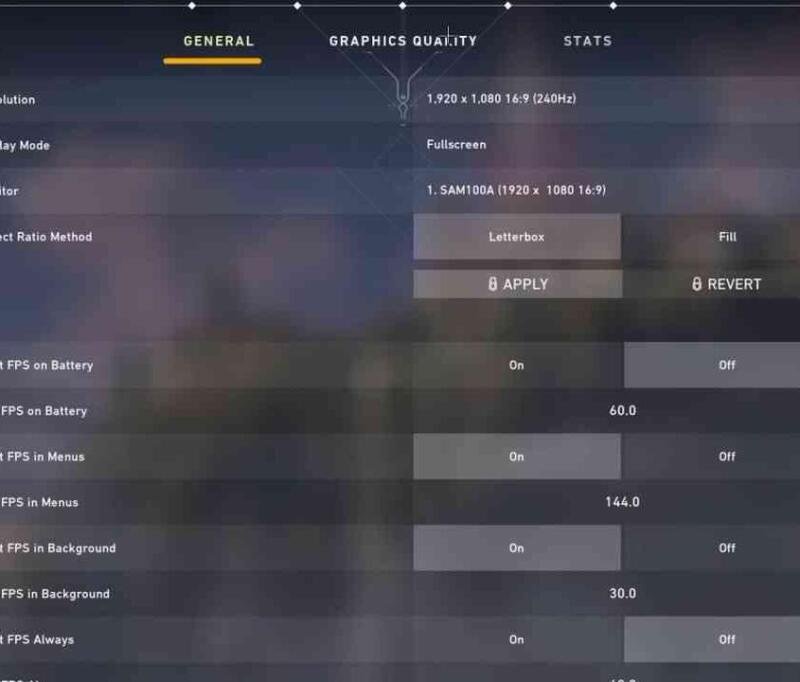
To achieve higher FPS, players should start by adjusting the video settings directly within Valorant. Navigate to the Settings > Video menu and begin by selecting “Low” for all graphical options. Specifically, set the following: Resolution to your monitor’s native resolution (e.g., 1920×1080), Display Mode to Fullscreen, Dynamic Resolution to Off, Frame Rate Limit to “Unlimited” (if your monitor supports it), and minimize graphical enhancements like Anti-Aliasing and Texture Quality. Turning off Post-Processing and Particle Effects also contributes significantly to increased frame rates. These adjustments reduce GPU load, allowing the CPU and graphics card to focus on rendering more frames per second, directly impacting your performance as outlined in How to Get High FPS in Valorant (Best Settings Guide).
Updating Graphics Drivers and Operating System
Outdated drivers can severely limit a system’s performance in games like Valorant. To ensure optimal functionality, it’s essential to keep both your graphics driver and operating system up to date. Whether you’re using an NVIDIA, AMD, or Intel GPU, visit the manufacturer’s official website or use tools like GeForce Experience or Radeon Software to download the latest driver version optimized for competitive gaming titles. Updated drivers often include performance enhancements, bug fixes, and better support for DirectX 11, which Valorant relies on. Similarly, keeping Windows updated ensures system stability and access to the latest hardware optimizations. This maintenance step is a foundational part of How to Get High FPS in Valorant (Best Settings Guide) and helps prevent performance bottlenecks caused by software incompatibilities.
Optimizing Windows Settings for Gaming
Windows includes several built-in features that can impact gaming performance if not configured correctly. Enabling Game Mode (found in Settings > Gaming > Game Mode) helps prioritize system resources for active games. Additionally, disabling Background Apps and visual effects like transparency and animations reduces CPU and RAM usage. Players can also adjust power settings by selecting “High Performance” in the Power & Sleep settings, ensuring that the system doesn’t throttle performance during gameplay. Disabling unnecessary startup programs via Task Manager prevents hidden applications from consuming valuable resources. These Windows-level tweaks are a core component in How to Get High FPS in Valorant (Best Settings Guide) and contribute directly to a smoother, higher-FPS experience.
Hardware Requirements and Upgrades for Better Performance
While software optimizations are important, hardware remains a limiting factor. Valorant is CPU-intensive, meaning a fast processor—such as an Intel i5/i7/i9 or AMD Ryzen 5/7/9 series—is essential for maintaining high FPS. Paired with at least 16GB of DDR4 RAM, your system can efficiently handle Valorant alongside background applications. A dedicated GPU like the NVIDIA GTX 1660 or higher will ensure stable framerates at competitive settings. Upgrading to an SSD instead of a traditional HDD reduces load times and improves overall system responsiveness. For players not reaching desired FPS, evaluating and upgrading key components plays a major role in How to Get High FPS in Valorant (Best Settings Guide), especially when pushing for 200+ FPS in competitive matches.
Using Launch Options and Advanced Tweaks
Valorant supports the use of launch options through the Riot Client, allowing players to apply advanced tweaks that can improve performance. In the client, navigate to Valorant’s settings and access “Additional Command Line Arguments”. Applying options such as -high (sets game priority to high), -fullscreen (forces fullscreen mode), and -vram [amount] (limits VRAM usage based on your GPU) can yield performance improvements. Additionally, some users benefit from disabling fullscreen optimizations in the game executable’s properties. Overclocking the GPU or CPU (with proper cooling) may further increase FPS, though this should be approached with caution. These advanced methods are included in How to Get High FPS in Valorant (Best Settings Guide) for players seeking every possible frame.
| Setting | Recommended Option | Impact on FPS |
|---|---|---|
| Resolution | 1920×1080 (Native) | High |
| Display Mode | Fullscreen | Medium-High |
| Texture Quality | Low | Medium |
| Anti-Aliasing | Off | Medium |
| Frame Rate Limit | Unlimited | High |
| Post-Processing | Low | Medium |
| Particle Effects | Low | Low-Medium |
| Shaders | Low | Medium |
Frequently Asked Questions
What Are the Best In-Game Video Settings for High FPS in Valorant?
Set your resolution to match your monitor’s native resolution for clarity, and choose Fullscreen mode to reduce input lag and improve performance. Lower texture quality, detail quality, and shadows to low or off, as these have minimal visual impact but significantly boost FPS. Disable V-Sync and reduce anti-aliasing to help maintain a smoother frame rate, especially on lower-end systems.
How Can I Optimize My Graphics Card Settings for Valorant?
Update your GPU drivers to the latest version for optimal compatibility and performance. In the NVIDIA Control Panel or AMD Radeon Software, assign Valorant to use the high-performance GPU if you have a dual-GPU system. Adjust settings like power management to prefer maximum performance and disable ambient occlusion or anisotropic filtering through the control panel to free up resources and increase FPS.
Does Lowering Resolution Improve FPS in Valorant?
Yes, lowering your resolution can increase FPS, but it may reduce image clarity and competitive advantage. Instead of dropping resolution, keep it at your monitor’s native resolution and adjust in-game graphics settings like shadows, particle effects, and post-processing to low. This balances performance and visual precision, ensuring smoother gameplay without sacrificing too much detail.
Can Closing Background Applications Increase FPS in Valorant?
Absolutely, closing unnecessary background applications frees up CPU and RAM resources, which can lead to higher and more stable FPS. Programs like web browsers, streaming software, or RGB control suites consume system performance. Use Task Manager to identify and end high-usage processes before launching Valorant to maximize available resources for the game.
